
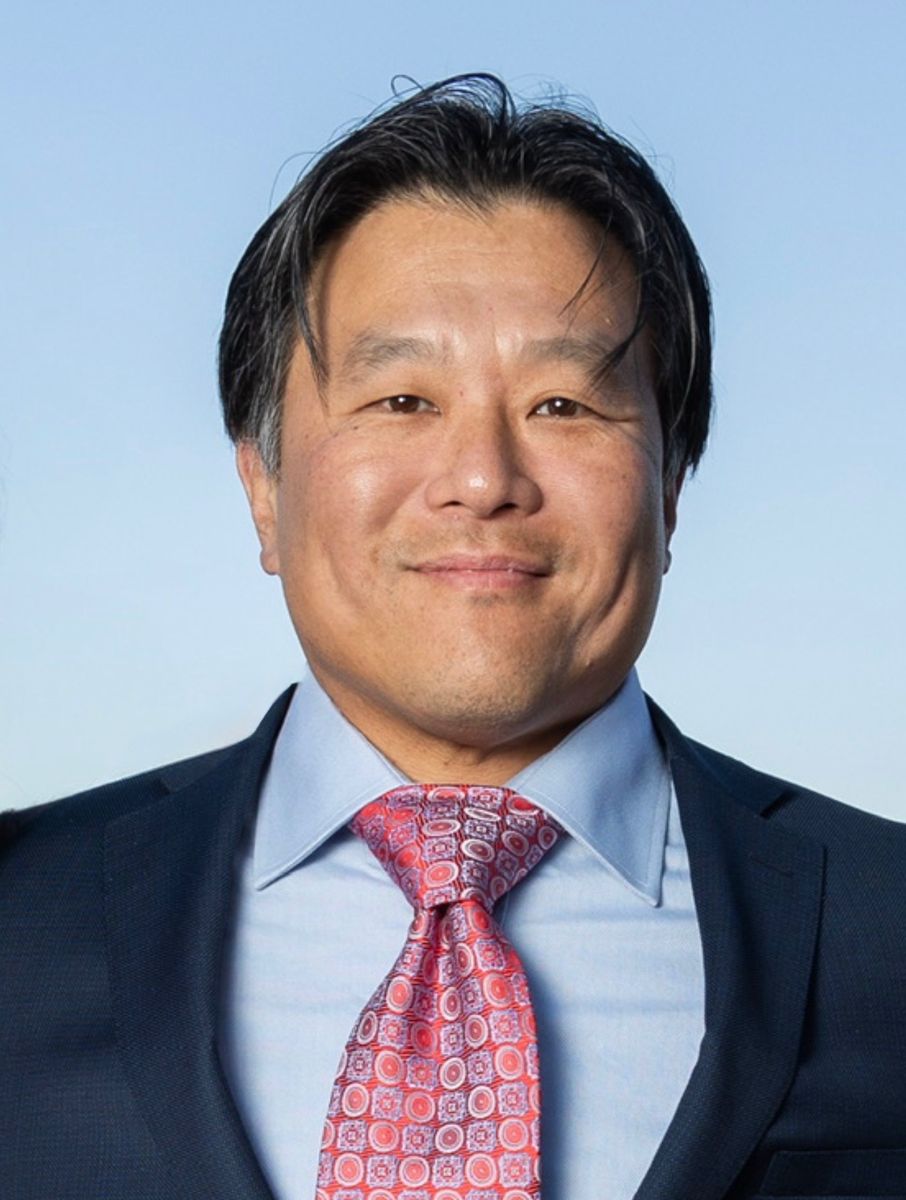
Co-Founder & Chief Medical Officer
Antony Chu, MD, MBA
Cardiac electrophysiology · Biometric science · Clinical AI
Background
Dr. Antony Chu’s career spans three decades at the intersection of precision molecular genetics, clinical cardiology, cardiac electrophysiology, and bioelectric signal processing. His work has focused on transforming continuous human biometric data into clinically actionable intelligence—moving beyond real-time diagnostics toward the ability to anticipate disease states, forecast clinical trajectories, and ultimately individualize intervention.
Trained at Yale School of Medicine and the University of Pennsylvania and a graduate of MIT Sloan, Dr. Chu has spent the past 15 years on the clinical faculty of Brown University’s Warren Alpert Medical School. His work has encompassed the development of complex cardiac ablation programs, the advancement of ambulatory and wearable bioelectric monitoring, and the application of neural networks to physiologic signals to identify and forecast disease. Throughout his academic career, he has also trained the next generation of cardiologists and cardiac electrophysiologists.
That combination of clinical medicine, physiology, signal processing, and longitudinal patient care provides the foundation for a central question underlying his work: which biological signals matter most in understanding—and optimizing—the individual? Through KardioStatus, Dr. Chu has translated this question into predictive clinical analytics built from continuous biometric data and individualized neural-network models. This work includes a 2026 peer-reviewed study demonstrating that sleep-apnea events can be detected, characterized, and forecast from electrocardiographic signals, with predictive models personalized to the individual patient.
As Chief Medical Officer of SOVRYN, Dr. Chu leads the company’s clinical strategy and biometric framework. SOVRYN extends these same principles beyond disease detection: integrating longitudinal biometrics, molecular and clinical data, and emerging therapeutics to understand each individual as a dynamic biological system rather than a collection of population averages.
The objective is not simply to measure health as it exists today, but to anticipate how an individual’s biology is changing—and to translate that intelligence into a closed-loop therapeutic system. Within this framework, continuous biological signals inform individualized intervention; the biological response to that intervention generates new data; and those data, in turn, refine what comes next. Analytics and therapeutics become part of the same continuously learning system.
SOVRYN’s vision is to seamlessly integrate predictive intelligence with a biological therapeutic layer that is as dynamic, adaptive, and iterative as Mother Nature herself—continuously sensing, learning, responding, and recalibrating around the biology of the individual. The goal is medicine that does not merely react to disease, but progressively learns the individual: anticipating change and continually refining the path toward performance, resilience, longevity, and human vitality.
Role at SOVRYN. Shapes clinical strategy and the measurement approach.
Selected research
Varghese AJ, Gatsonis AN, Agraz M, Oommen V, Parulkar A, Chu A, et al., Karniadakis GE. A multifaceted approach for obstructive sleep apnea classification from ECG signal using deep learning. npj Biological Timing and Sleep 3, 38 (2026). KardioStatus support is acknowledged in the paper.
doi:10.1038/s44323-026-00101-4This is a sleep-apnea research study. It is not a study of peptide response, and peptide-specific models remain in development. Read the patient summary.
Institutional names describe individual backgrounds and do not indicate endorsement. This page does not imply that every patient consults this physician personally.